

This post may contain affiliate links
Lab-grown diamonds are becoming increasingly popular among consumers, and for good reason. These high-quality diamonds are produced in a lab using cutting-edge technology that simulates the natural process of diamond production.
They are visually, chemically, and physically identical to their natural counterparts. The trend towards lab-grown diamonds is changing not only how we perceive diamonds but also the jewellery industry as a whole.
The popularity of lab-grown diamonds is partly attributable to consumer awareness of the ethical and social implications of the mining of natural diamonds as well as to technological advancements that have increased the accessibility and affordability of lab-grown diamonds for consumers.
Sustainability
The sustainability of lab-grown diamonds is one of its main advantages. Natural diamond mining is an extensive use of energy and resources that results in the devastation of ecosystems and habitats.
Furthermore, the mining process frequently contributes to environmental contamination and may have a severe effect on nearby communities. In contrast, lab-grown diamonds have a significantly lower environmental impact as they require less energy and resources to produce, and do not involve destructive mining practices. As a result, lab-grown diamonds are an attractive option for consumers who prioritize sustainability and want to minimize their environmental footprint.
Ethical sourcing
Lab-grown diamonds have seen a surge in popularity, and one of the key drivers behind this trend is their ethical sourcing. Because to ethical issues with the traditional diamond industry, including forced labour, child labour, and violations of human rights, many customers are turning to more ethically made alternatives.
Even though the industry has taken attempts to solve these problems, it is still difficult to determine the natural diamonds’ origin and whether or not they were sourced ethically.
In contrast, lab-grown diamonds are produced in a controlled environment, and their origins can be easily traced.
This provides consumers with a high degree of transparency and reassurance that their diamonds were not produced using unethical labor practices. As consumers become more environmentally and socially conscious, the demand for ethical diamonds is likely to continue to rise, with lab-grown diamonds offering a viable alternative that meets these criteria.
Affordability
Due to their low cost, lab-grown diamonds are becoming more and more popular. This is in contrast to natural diamonds, which are rare and expensive due to their size, color, clarity, and cut. The price of natural diamonds is determined by a complex set of factors, making them less accessible to consumers. In contrast, lab-grown diamonds are produced using advanced technology and can be created in various sizes and colors.
This accessibility and affordability have led to their increased popularity in the market. Overall, lab-grown diamonds offer consumers a more cost-effective and accessible option without sacrificing the appearance or quality of the diamond.
Transforming Jewelry Industry
The growing popularity of lab-grown diamonds is also transforming the jewelry industry. As more consumers opt for lab-grown diamonds, jewelry retailers and manufacturers are beginning to shift their focus towards sustainability and ethical sourcing.
Many jewelry companies are now offering lab-grown diamonds alongside natural diamonds, providing consumers with more options and encouraging greater transparency in the industry.
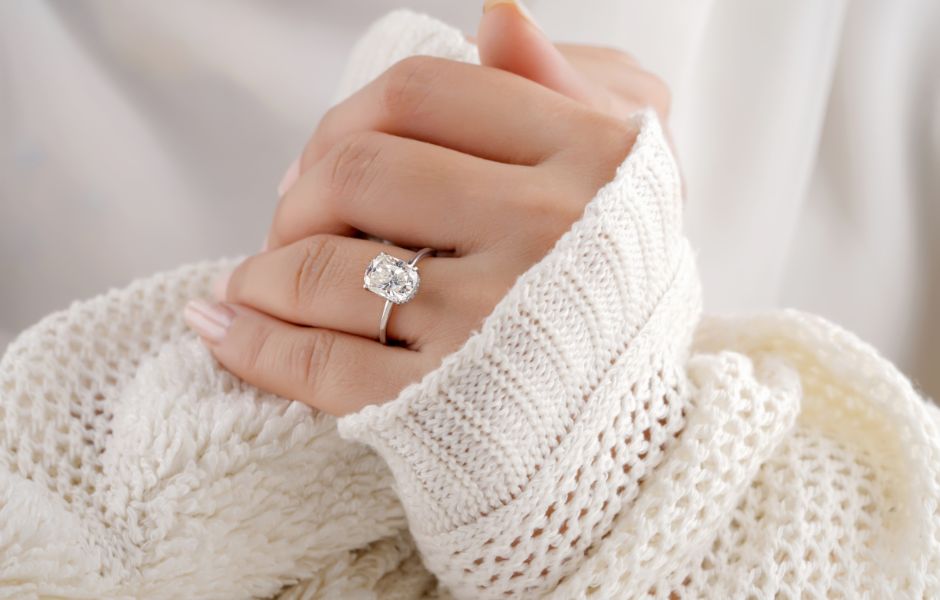
The popularity of lab-grown diamonds is not only changing how we think about diamonds, but it is also significantly increasing in the jewelry sector. Lab-grown diamonds offer designers and manufacturers greater flexibility and creative freedom, as they can be produced in a variety of colors and shapes. This has led to the creation of unique and innovative designs that would not have been possible with natural diamonds.
Lab-Grown Diamonds: A Perfect Fit for the Bridal Market
One potential area of growth for the lab-grown diamond industry is in the bridal market. Many couples today are looking for sustainable and ethical alternatives to traditional diamond engagement rings, and lab-grown diamonds are a perfect fit.
In addition to their sustainability and ethical sourcing, lab-grown diamonds offer greater flexibility and creativity in design, allowing couples to create unique and personalized engagement rings.
The Promising Future of Lab-Grown Diamonds
Despite these challenges, the future of the lab-grown diamond industry looks promising. Lab-grown diamonds are well positioned to satisfy the growing demand for goods that are ethically and sustainably sourced. Lab-grown diamonds will become even more available and affordable as technology develops, making them a feasible alternative for a wider range of customers.

Final Thoughts
The growing popularity of lab-grown diamonds is transforming the jewelry industry in significant ways. As more consumers opt for sustainable and ethical products, the demand for lab-grown diamonds is only expected to increase. Jewelry companies are adapting to match the shifting demands and tastes of consumers as a result of this trend, which is fueling innovation and development in the sector.
Although the business for lab-grown diamonds still faces challenges, the future is bright, and lab-grown diamonds are positioned to gain popularity among buyers who place a premium on sustainability and ethical sourcing.